
 Nov 25, 2024
In today’s digital-first world, web hosting and server technology are the lifelines of the internet. Whether you’re starting a personal blog, running an online store, or managing a corporate website, the reliability and performance of your hosting solution can make or break your online presence.
What Is Web Hosting?
Web hosting is the service that makes your website accessible on the internet. It involves storing your website’s data—such as files, images, and code—on servers. These servers are powerful computers designed to deliver your website to users whenever they type in your URL.
There are several types of web hosting services, each catering to different needs:
- Shared Hosting: A budget-friendly option where multiple websites share the same server resources. Best for small websites with moderate traffic.
- VPS Hosting: Virtual Private Server (VPS) hosting provides more control and dedicated resources, offering better performance and scalability for growing websites.
- Dedicated Hosting: With a dedicated server, you get complete control over your hosting environment. This is ideal for large enterprises requiring high performance and security.
- Cloud Hosting: This modern solution uses multiple servers to balance traffic and ensure uptime, making it perfect for websites that experience fluctuating traffic.
The Role of Servers in Hosting
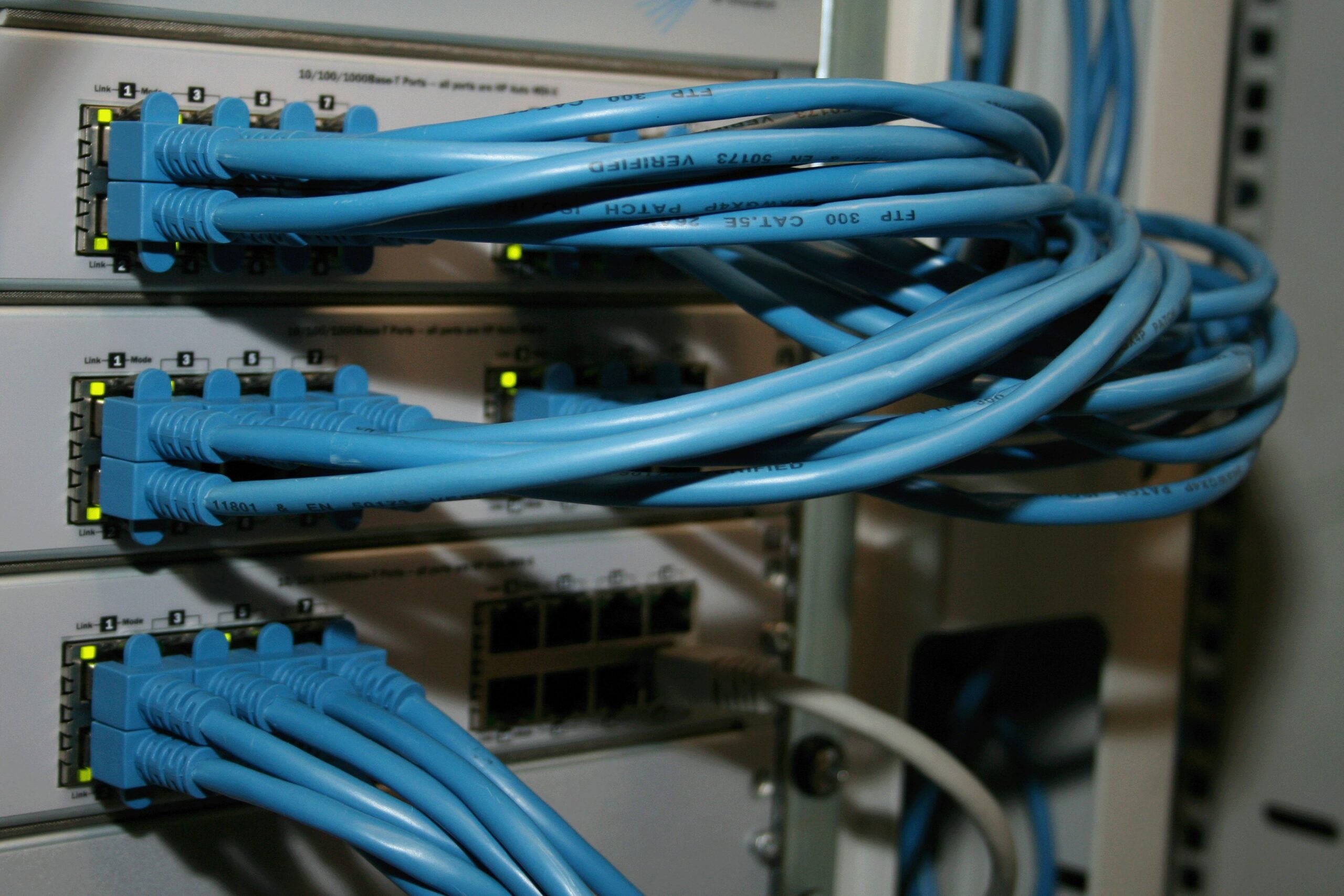
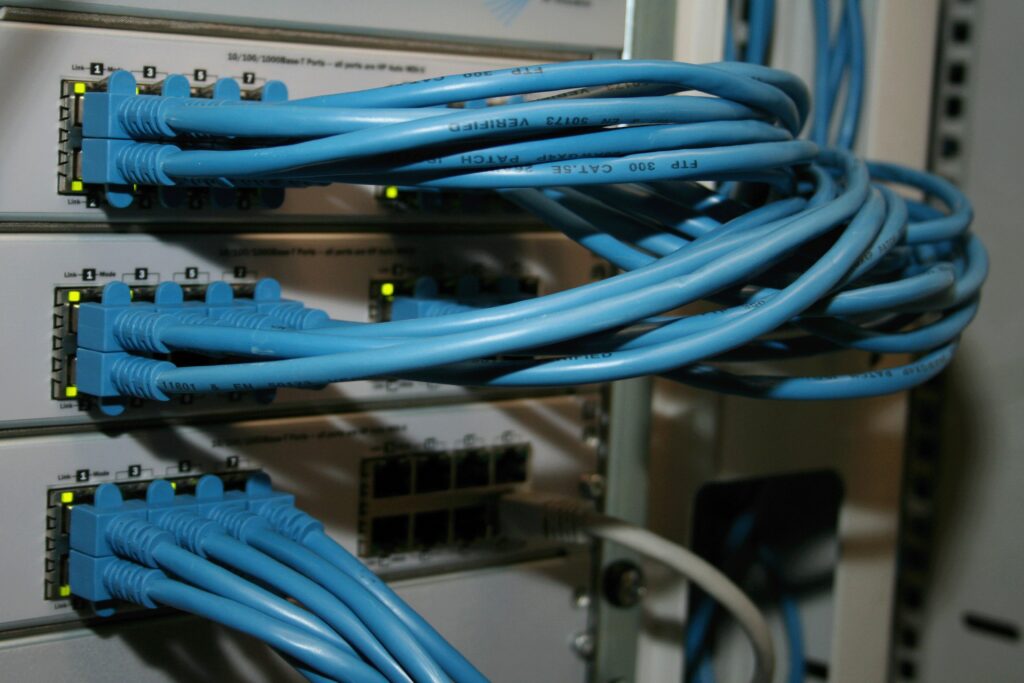
Servers are the backbone of any hosting solution. These machines handle all requests for your website and deliver content to users quickly and reliably. High-quality servers ensure fast page loading times, a critical factor for user experience and SEO rankings.
The latest advancements in server technology prioritize speed, security, and energy efficiency. Features like SSD storage, robust firewalls, and renewable energy-powered data centers are now common, reflecting the shift toward sustainable and secure hosting.
Why Good Hosting Matters
Your choice of hosting can affect your website in several ways:
- Performance: A fast and reliable host ensures quick load times, reducing bounce rates and improving user satisfaction.
- Uptime: Downtime can lead to lost visitors and revenue. A good hosting provider guarantees uptime of at least 99.9%.
- Security: Quality hosting includes measures like DDoS protection, malware scanning, and SSL certificates to safeguard your site and its visitors.
- Scalability: As your business grows, your hosting solution should be able to scale with you.
Choosing the right web hosting and server setup is more than just a technical decision—it’s an investment in your website’s future. By opting for a provider that aligns with your goals, you set the foundation for a strong, reliable online presence.
Leave a Reply